


Welcome to the personal databank. Thoughts, code, genetics, and whatever else falls out of my head at 3 AM.
First, I wash an entire large mason jar of larf without activating it. I am washing off all the raw cannabinoids that I can, just with EtOH. Chilling the EtOH prior to extraction is highly suggested.
I filter at the macro level. Specifically, I use a dedicated cold brew coffee maker with both a dedicated hard sponge filter, like a scrubby or a loofah, and a large single-use paper coffee filter bag, into another large mason jar.
After filtering, I place the large mason jar of EtOH and cannabinoids in the freezer.
Second, I activate more larf via my Levo 2, running 7 grams at a time at 240 degrees Fahrenheit for 30 minutes, until the jar is about half full of activated cannabis. Because I have only a single 7-gram pod right now, this can take me a day. Sadly, my oven gets too hot to activate cannabis at a controlled temperature, so for now, I use the Levo II for consistency.
Third, combine jar A (the EtOH solution) into jar B (the activated cannabis). Shake the bejesus out of it. The cold alcohol, combined with the activated trichomes, will wash all that good activated compound right into the alcohol, stripping the full spectrum along with the heavy load of raw THCa from the first wash that will fully activate later when baked, added to coffee or tea, or otherwise heated. It can be used directly without heat for full effect and flavor, but cooking or baking with it won't turn it all into CBN either.
Fourth, once again filter the contents of the combined jar with a fresh filter bag and a sanitary hard sponge filter into a second large mason jar or other container of appropriate size.
A note on clean versus sanitary versus sterile: I suggest using StarSan to clean these jars, sponges, and the cold brew apparatus between uses. It is the standard in small-batch craft brewing, so it is perfect for cleaning equipment when making edibles. Because it is used across the brewing and food service industries, it is both food safe and common practice in small commercial kitchens. I still wash as much of it out as possible with regular clean tap water afterward. Once it is sanitary, I store it in a small airtight container until I need it again. I make sugar a few times a year, cleaning all equipment before and after use, every single time. I was a lab tech, and I have standards.
Fifth, I add 5 to 6 pounds of sugar to my mixer bowl and combine it with all of the alcohol. This is primarily a function of expedience. You could use a lot less, but then it would take you a very long time in the mixer portion of the evaporation stage. You can't spread the sugar out on something or put it on the solid silicone cover/mat of your dehydrator if it's still swimming in liquid EtOH. If I get it to a slurry consistency when first combining the sugar and alcohol, I know the dosage will be right where I want it: strong, but not coma-inducing. I then blend it for several hours before step six.
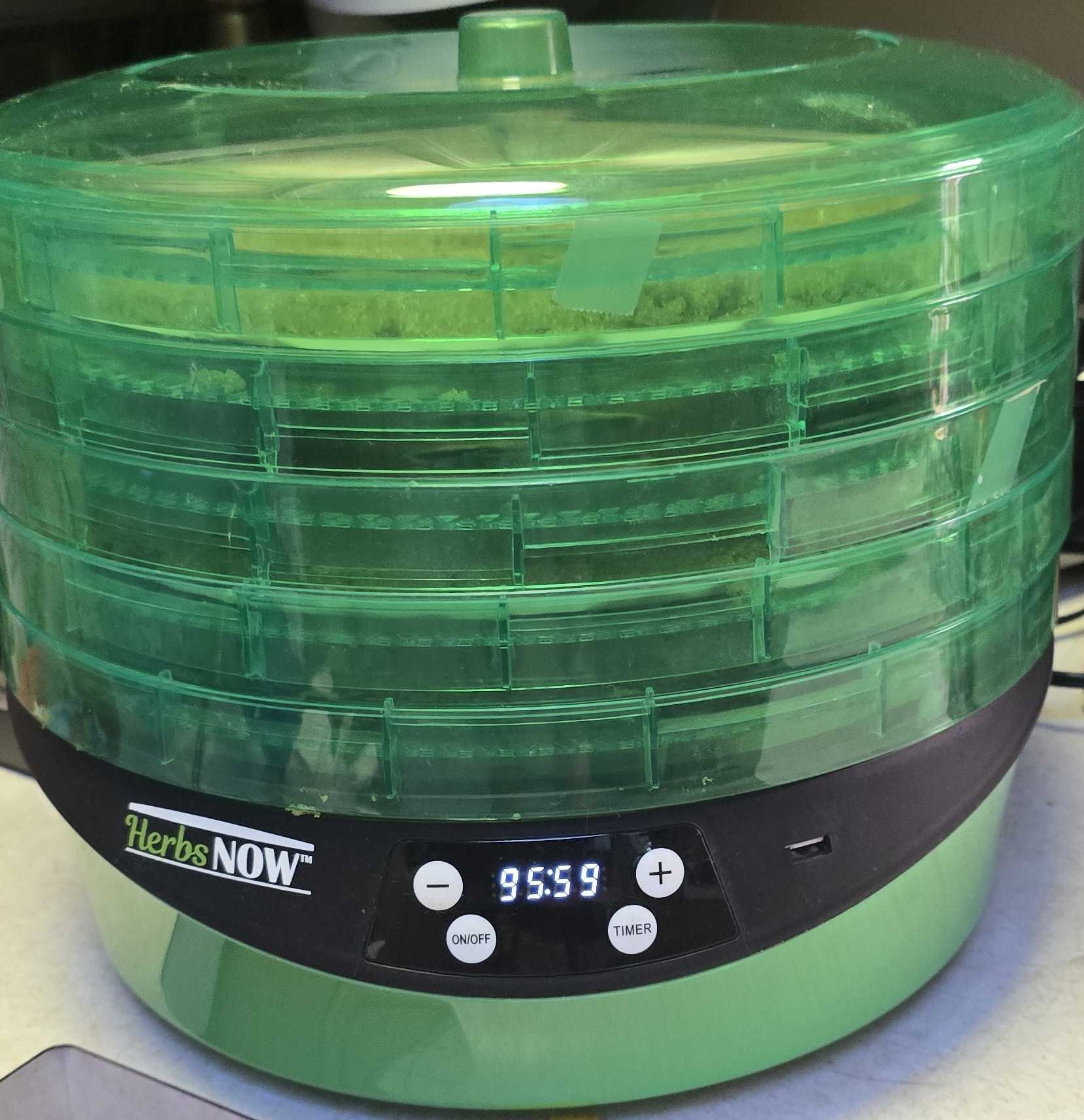
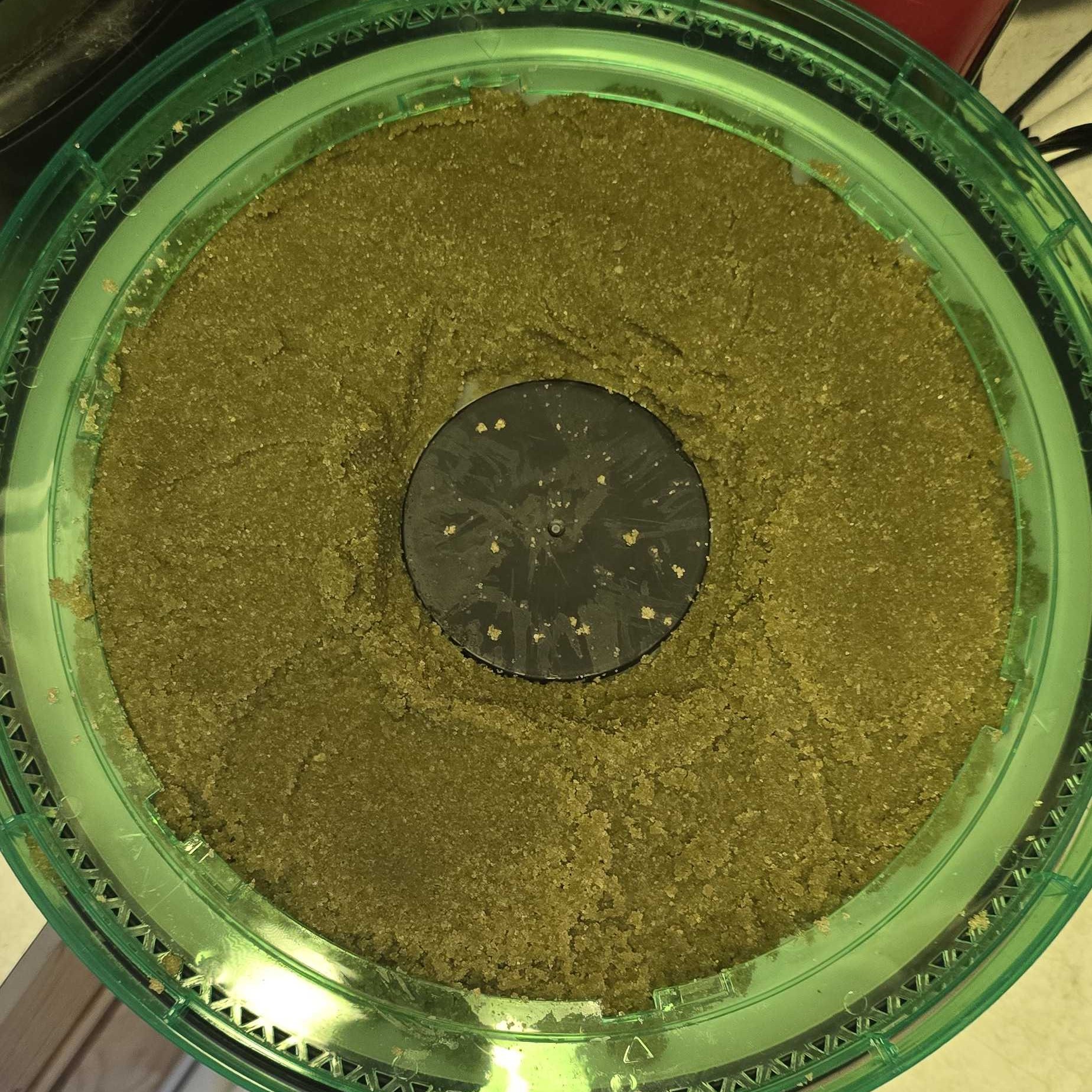
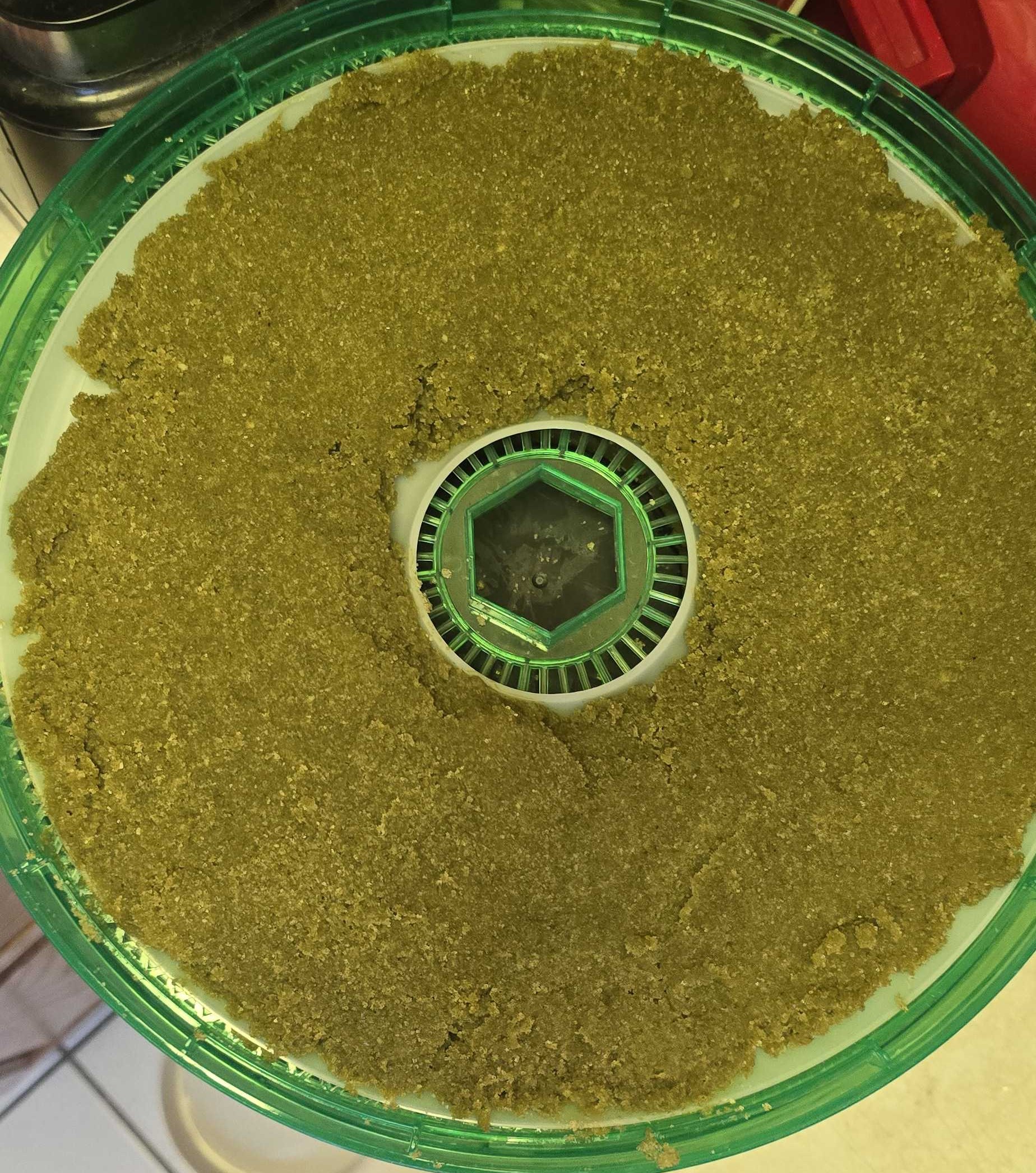
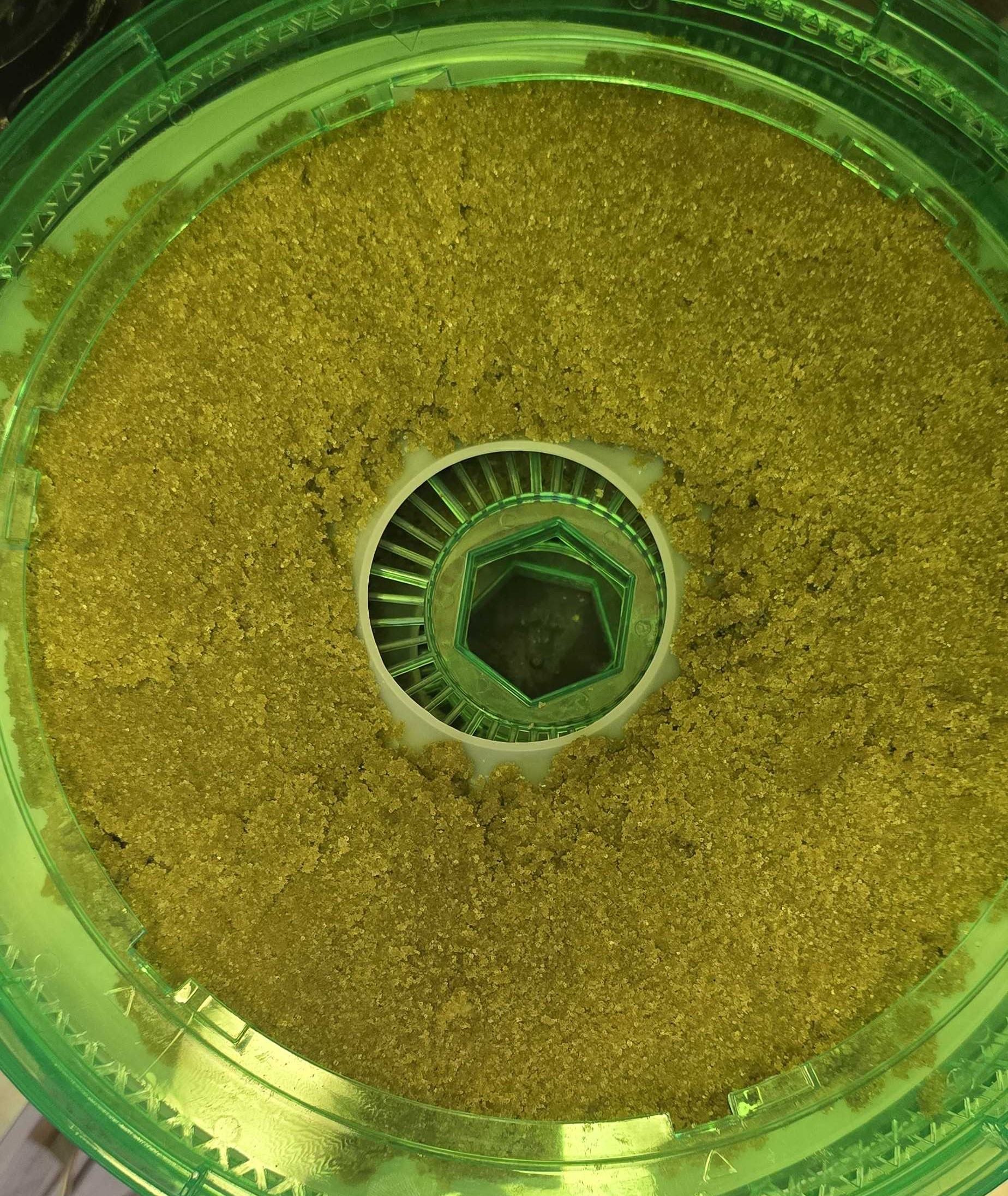
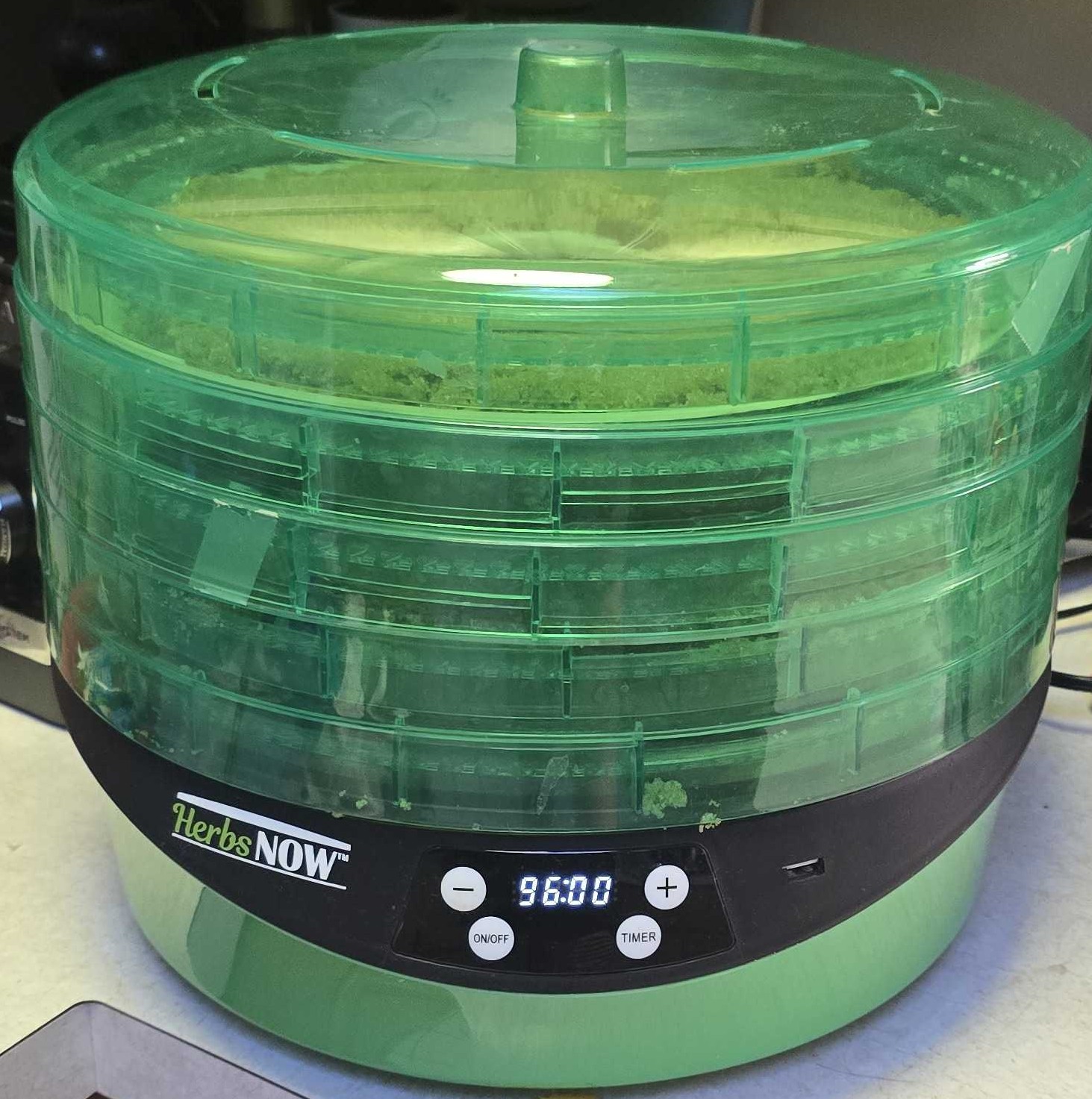
Sixth, spread it out to evaporate for a few days. During this time, you will want to occasionally move, flip, or disturb the sugar. With all that 190 proof EtOH, the chance of infection is about 0% most of the time, but I do not suggest putting a fan on it in a room you have not dusted recently. That is just begging to add contamination. Keep it lightly covered with cheesecloth, or place it under a rack covered in paper towels. This setup allows it to breathe without getting contaminated. I use paper towels over a baking rack that is larger than the cookie sheet, which I cover in plastic wrap before adding sugar to the tray. Surface area is key. Heat in very small measure, no more than 86 degrees Fahrenheit, can help, but I worry that a standard dehydrator would still damage the cannabinoids. I usually just let it do its thing at room temperature, though I am trying a batch in my Herbs Now for comparison purposes. This usually takes just a few days, four at the most, depending on batch size, of course. Note that if, like me, you purchased one of those Herbs Now dryers, they aren't good for cannabis, but for all I know they're perfect for canna sugar, since they don't get any warmer than 86 degrees Fahrenheit.
This makes what is technically a form of rock candy. While this isn't as great as fine granulated sugar, it is difficult to make that kind of fine, even, granulated sugar with this much sticky compound attached to it. So instead, you break off some and put it in whatever you want to. :-D
My next project will be making canna-flour that can be roughly sifted enough that I can combine it with a pound of rock candy, a pound of canna-flour, a pound of canna-butter or oil, and a pound of eggs, or preferably a vegetarian substitute for at least the eggs, to make a canna pound cake. :-D
And icing. We must have icing. Because what is pound cake without lemon poppyseed icing?
Finally managed to decouple the logging infrastructure from the main genetic archive. Nginx fought me the whole way, but the SSI engine is finally humming smoothly across the board. Time to start porting over the grow logs and the old data.